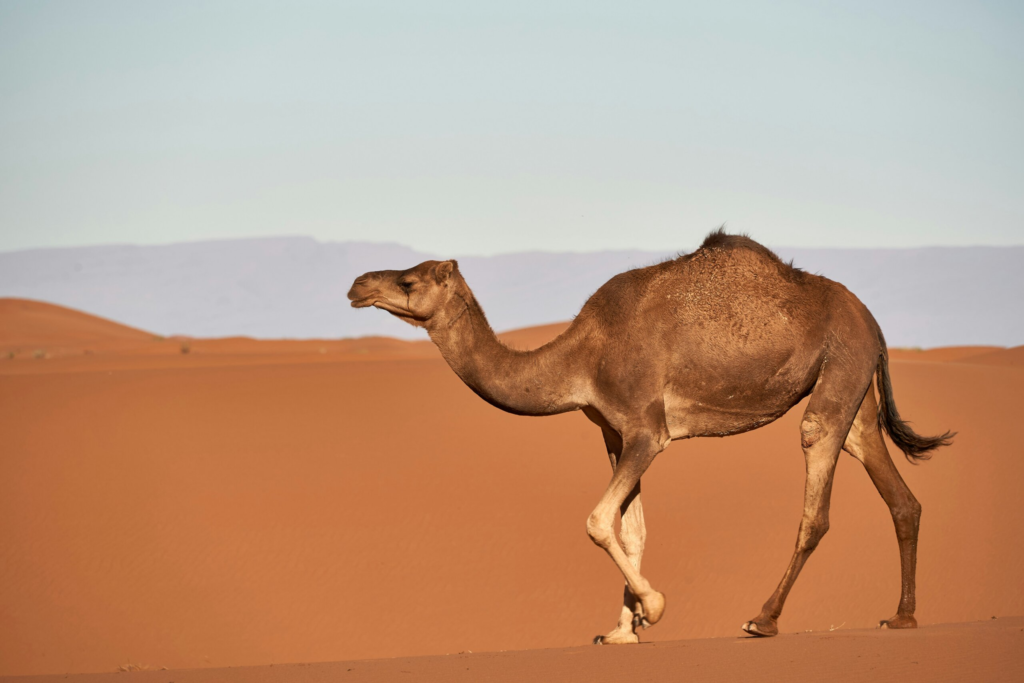

Have you ever wondered how an animal can live in a hot, dry place where there is almost no water? Meet the amazing camel! This friendly creature is often called the ship of the desert. People have loved and relied on these gentle giants for thousands of years. When you look at a camel, you see a truly unique animal built for survival. They have long legs, big eyes with long eyelashes, and special humps on their back. These features are not just for looks. They help the camel live in places where other animals cannot survive. Let us go on a fun adventure to learn all about this wonderful animal and see what makes it so special.
Why the Hump is Super Cool
One of the first things you notice about a camel is the big hump on its back. Many people think the hump holds water, but that is a fun myth! The hump actually stores fat. When food is hard to find in the desert, the camel uses this stored fat for energy. It is like having a built-in lunchbox that goes everywhere with you! When the camel uses up the fat, the hump might lean to one side a bit. Once the camel eats and drinks again, the hump fills right back up. This clever design helps the animal walk for many days without needing a big meal. It is one of nature best tricks for survival.
Super Shoes Made for Walking on Sand
Walking on hot sand is very hard, but a camel does it with ease. How do they do it? They have wide, flat feet with two toes on each foot. When the camel puts its foot down, the pads spread out wide. This keeps the animal from sinking into the soft sand, much like how snowshoes work in the winter. Underneath their feet, they have thick, tough skin that protects them from the burning hot ground. Because of these special feet, a camel can walk for miles and miles every single day without getting tired feet. It is like they are wearing the best hiking boots ever made.
Wearing Built-In Sunglasses and Face Shields
Living in the desert means dealing with lots of blowing sand and bright sunshine. Luckily, the camel comes with its own set of safety gear. They have thick, bushy eyebrows and two rows of very long eyelashes on each eye. These long lashes act like a shield to keep blowing sand away from their eyes. If a sudden sandstorm starts, a camel can even close its nostrils completely so no dust gets into its nose. They also have special clear third eyelids that they can close to see right through a dusty wind. With all these cool features, a camel is always ready for a sandy day.
Drinking Water Like a Champion
Water is very hard to find in the dry desert, but a camel knows how to handle it. When a camel finally finds a water hole, it can drink a huge amount of water in just a few minutes. In fact, a thirsty camel can drink up to forty gallons of water at one time! Their bodies are amazing at holding onto that water and not wasting a single drop. They do not sweat very easily, which helps them keep all their moisture inside. This super power means a camel can go for many days without taking another drink. It is a great lesson in how to save resources when things are scarce.
Friendly Giants That Help People
Camels are not just wild animals; they are also great friends to humans. For thousands of years, people living in desert regions have used camels to travel across the hot lands. Because camels are so strong and gentle, they can carry heavy bags, tents, and supplies for long trading trips. They are sometimes called the backbone of desert travel. People also use camel milk, which is very healthy and full of good nutrients. In some places, people even use their soft wool to make warm clothes and blankets. Working together, humans and camels have built wonderful lives in tough places.
Different Kinds of Camels Around the World
Did you know that not all camels look the same? There are two main types of camels that you can find in the world today. The first kind is the dromedary camel, which has only one big hump on its back. You can find these mostly in the hot deserts of the Middle East and Africa. The second kind is the Bactrian camel, which has two humps and a much thicker coat of fur. Bactrian camels live in colder places like Central Asia, where winter brings lots of snow and chilly winds. Both types of camels are super smart and know how to take care of themselves in their homes.
Baby Camels and Growing Up
Baby camels are some of the cutest little creatures you will ever see. When a baby camel is born, it is called a calf. Unlike some other baby animals, a newborn calf can stand up and walk all by itself within just a few hours of being born. That is very important because it helps them stay safe from danger in the open desert. Baby camels do not have big humps right away; their humps look a little flat and floppy at first. As they grow up and drink their mother rich milk, their humps fill out and get strong. They stay close to their mothers for a long time to learn how to survive.
What Do Camels Like to Eat?
You might wonder what a camel finds to eat in a place with so little green grass. Camels are herbivores, which means they only eat plants, leaves, and twigs. They love to munch on thorny desert plants that other animals will not even touch. Their mouths are lined with thick, tough skin, so the sharp thorns do not hurt them at all. They can chew up prickly bushes and dry twigs with no problem. Eating these tough plants gives them all the vitamins and energy they need to stay happy and healthy in their hot home.
Fun and Surprising Camel Facts
There are so many fun facts to learn about camels that will make you smile. For example, did you know that camels can run very fast? Even though they look big and slow, they can run as fast as a horse when they need to escape danger. Another fun fact is that camels communicate by making soft gurgling and moaning sounds to talk to each other. They are also very clean animals and love to take dust baths to keep their skin feeling nice. Every new thing you learn about a camel shows just how incredible these desert animals really are.
Complete Camel Details Table
| Feature | Dromedary Camel | Bactrian Camel |
| Number of Humps | One hump | Two humps |
| Main Habitat | Hot deserts of Africa and the Middle East | Cold regions and dry steppes of Central Asia |
| Coat Type | Short, light fur to keep cool | Thick, shaggy fur to stay warm in snow |
| Water Storage | Can drink up to 40 gallons at once | Also stores water efficiently in fat humps |
| Primary Use | Riding, milk, and carrying loads in hot areas | Transporting goods across cold mountain passes |
Frequently Asked Questions
Do camels store water in their humps?
No, a common myth says camels store water in their humps, but the humps actually store fat. This fat gives the camel energy when food is hard to find.
How long can a camel go without water?
A healthy camel can go for several days or even weeks without drinking water, depending on the weather and what it eats.
Why do camels have long eyelashes?
Camels have long eyelashes to protect their eyes from blowing sand, dust, and the bright desert sun.
What is a baby camel called?
A baby camel is called a calf. It can stand up and walk just a few hours after it is born.
Are camels friendly to humans?
Yes, camels are usually very gentle, calm, and friendly animals. People have trained them to help with travel and work for thousands of years.
Where do camels live in the wild?
Wild camels live in dry places like deserts in Asia and Africa. Many others live on farms where people take care of them.
Conclusion
Camels are truly remarkable animals that show us how wonderful nature can be. From their amazing fat-storing humps to their wide, sandy feet and friendly personalities, they are built to thrive in tough places. Learning about these desert wonders helps us appreciate the amazing diversity of life on our planet. What is your favorite thing you learned about the camel today?