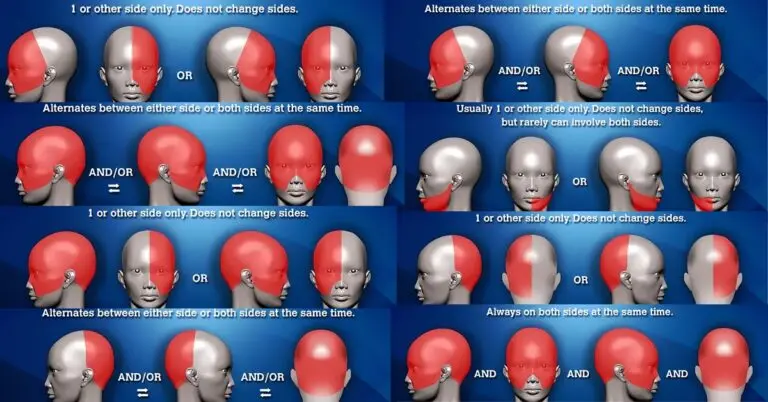

Have you ever woken up with a sharp ache right behind your eyes and wondered what caused it? Or maybe you felt a tight band squeezing around your forehead after a long day at work. Headaches are a universal human experience. Almost everyone deals with them at some point in life. But did you know that where it hurts can offer major clues about why it hurts? Understanding your headache location meaning helps you recognize what your body needs. It also helps you talk clearly with your doctor about your health.
Pain in your head can stem from stress, muscle strain, sleep changes, or sinus pressure. While pain placement gives helpful context, it is only one part of the puzzle. Doctors look at how long the pain lasts, how intense it feels, and other side effects to find the true cause.
In my own life, I used to get frequent forehead aches every Thursday afternoon. I assumed it was a sinus problem until my doctor helped me realize it was eye strain and poor desk posture! Let us walk through the most common headache locations, what they usually point to, and how you can find real relief.
1. Pain Across the Forehead and Temples (Tension Headaches)
A headache across your forehead or around both temples is often a tension headache. This is the most common headache type adults experience. People often describe it as a dull, aching pressure. It can feel like someone is tightening a heavy rubber band or a tight hat all the way around your head.
Claru+ 2
The headache location meaning for forehead and temple pain usually links to physical or emotional stress. Tight muscle contractions in your neck, scalp, and jaw can pull on surrounding tissues. Staring at screen monitors for hours, poor sitting posture, or grinding your teeth at night are common daily triggers.
WebMD+ 1
Unlike migraines, tension headaches usually do not cause nausea or sensitivity to light. You can often manage them with gentle neck stretches, warm compresses, adequate hydration, and simple stress relief habits.
2. One-Sided Head Pain (Migraine Attacks)
When pain strikes strictly on the left side or the right side of your head, it often signals a migraine. Migraines cause a distinct throbbing or pulsing sensation. The discomfort can range from moderate to severe and may worsen when you move around.
SingleCare+ 2
Understanding this headache location meaning is essential because migraines involve more than just head discomfort. They are complex neurological events. A migraine episode can last anywhere from a few hours to three full days if left untreated.
WebMD
Many people experience additional symptoms alongside one-sided head pain. You might feel sick to your stomach, vomit, or become extra sensitive to bright lights and loud sounds. Some individuals also see flashing lights or wavy lines, known as an aura, right before the head pain starts.
Medical News Today
3. Sharp Pain Behind One Eye (Cluster Headaches)
Pain centered directly behind or around one eye often points to a cluster headache. This type of headache is far less common than tension or migraine headaches, but it is known for being extremely intense. People often describe the sensation as a piercing or burning knife feeling right in the eye socket.
SingleCare+ 1
The headache location meaning behind cluster pain relates to sudden nerve pathways firing near the eye. These attacks come on fast and without warning. They usually last between fifteen minutes and three hours. What makes them unique is their daily pattern—they tend to strike at the exact same time every day for weeks or months before stopping for a while.
Medical News Today
Along with sharp pain behind one eye, you might notice watery eyes, eye redness, a drooping eyelid, or a blocked nostril on that same side of your face. Because the pain is severe, standard over-the-counter pain relievers rarely help, requiring specialized medical treatments.
WebMD
4. Facial Pressure in Cheeks, Bridge of Nose, and Forehead (Sinus Headaches)
If you feel deep, constant pressure across your cheeks, your nose bridge, and your lower forehead, you might be dealing with a sinus headache. The pain often gets worse if you bend your head forward or lie flat on your back.
SingleCare
The true headache location meaning here is linked to fluid buildup and inflammation in your sinus cavities. When seasonal allergies or a viral sinus infection block your nasal passages, pressure builds up inside your face bones.
SingleCare
True sinus headaches almost always come with other facial symptoms. Look out for nasal congestion, thick discolored mucus, a diminished sense of smell, or a low fever. Interestingly, medical studies show that many people who think they have sinus headaches are actually experiencing migraine attacks, so getting an accurate checkup is key.
SingleCare+ 1
5. Pain at the Base of the Skull and Back of the Neck (Cervicogenic Headaches)
Head discomfort that starts at the base of your skull and spreads upward toward the top of your head often points to a neck issue. These are known as cervicogenic headaches, meaning the pain originates from the cervical spine or neck tissues.
The headache location meaning for back-of-head pain highlights how connected our spinal nerves and neck muscles are. Poor posture from leaning over cell phones or sitting incorrectly at office desks places extra pressure on neck joints. Neck injuries or arthritis can also trigger these radiating aches.
SingleCare
You might notice that moving your neck in certain directions makes the head pain feel sharper or worse. Restoring proper alignment, practicing gentle posture exercises, and applying targeted heat packs can help relax these pinched, tired muscles.
SingleCare
6. Electric Shock Sensations in the Scalp (Occipital Neuralgia)
Another reason for pain at the back of the head is a nerve condition called occipital neuralgia. This happens when the occipital nerves running from your spinal cord up through your scalp become pinched, inflamed, or irritated.
SingleCare
The headache location meaning in this situation reveals nerve irritation rather than basic muscle fatigue. People describe the sensation as sudden, sharp, electric shock-like jolt of pain that shoots along one side of the back of the head.
Claru+ 1
Even light actions can trigger this quick, intense pain. Brushing your hair, resting your head on a soft pillow, or quickly turning your neck can set it off. Treating occipital neuralgia often involves localized heat therapy, massage, or doctor-guided nerve block treatments.
7. Pressure Right on Top of the Crown (Exertion, Dehydration, or Stress)
Feeling a heavy weight or throbbing pressure right on top of your skull can feel concerning, but it is actually quite common. This area is referred to as the crown of the head.
SingleCare
The headache location meaning for top-of-head pain frequently connects to everyday lifestyle factors. Severe dehydration is a major culprit because your brain tissue temporarily contracts slightly when you lack water, pulling away from the skull area. Poor sleep schedules, skipping regular meals, or high emotional stress can also cause pain right at the top of your head.
Claru
Additionally, intense physical activity like heavy weightlifting or long running sessions can cause temporary top-of-head throbbing, known as an exertion headache. Drinking plenty of fresh water and resting in a quiet space usually clears up this pressure quickly.
WebMD
8. Whole-Head Aches from Medication Overuse (Rebound Headaches)
Sometimes head pain does not stay in one specific corner; it feels like a constant, dull ache covering your entire head. If you get this type of pain almost every single day, it could be a medication overuse headache, also called a rebound headache.
National Headache Foundation
Understanding this headache location meaning requires looking at your medicine cabinet. Taking over-the-counter pain pills or prescription migraine medicines too frequently—like more than two or three days a week—can cause your brain to react when the medication wears off.
This creates a cycle where the headache returns as soon as the pill stops working, prompting you to take another dose. Breaking this rebound cycle requires working closely with a healthcare professional to safely step down your reliance on daily pain medications.
9. Comprehensive Headache Location Chart
To help you organize what you are feeling, here is a detailed breakdown comparing the primary headache locations, their pain qualities, and their most common daily triggers:
| Pain Location Area | Likely Headache Type | Pain Characteristic | Common Associated Triggers |
|---|---|---|---|
| Forehead and both temples | Tension Headache | Dull, tight band-like squeezing pressure | Mental stress, eye strain, bad neck posture |
| One side of head (left or right) | Migraine | Moderate to severe throbbing or pulsing pain | Hormonal shifts, skipping meals, bright lights |
| Deep behind one eye | Cluster Headache | Severe, sharp, stabbing, or burning pain | Alcohol, tobacco smoke, disrupted sleep cycles |
| Cheeks, nose bridge, & forehead | Sinus Headache | Constant deep facial ache and dull pressure | Seasonal allergies, colds, bacterial sinus infections |
| Skull base and back of neck | Cervicogenic Headache | Steady dull pain radiating up from the neck | Poor posture, neck muscle tightness, spinal strain |
| Scalp shooting to back of head | Occipital Neuralgia | Sudden electric-shock or shooting pain bursts | Nerve pinching, tight neck muscles, head movement |
| Top of head (Crown area) | Dehydration or Exertion | Heavy weight, tight pressure, or dull throbbing | Lack of fluid, high stress, intense workouts |
10. Lifestyle Triggers that Influence Where Your Head Hurts
While analyzing your headache location meaning is important, looking at your daily habits helps prevent pain before it starts. Small daily habits play a giant role in how often your head hurts and how severe that pain becomes.
WebMD
Here are key everyday factors to track:
- Hydration Levels: Dehydration causes tissue shrinkage around brain structures, triggering diffuse head pressure. Aim to drink water throughout the entire day.
- Sleep Patterns: Both sleeping too little and oversleeping can disrupt brain chemicals, setting off migraines or top-of-head tension. WebMD
- Screen Time and Eye Strain: Staring at phones or computer screens without proper eye rest fatigues small eye and forehead muscles.
- Ergonomics and Posture: Slouching over keyboard setups places intense mechanical strain on the neck muscles at the base of your skull.
- Diet and Meal Timing: Skipping meals causes blood sugar levels to drop, which frequently triggers frontal headaches or classic migraines.
11. Red Flag Warning Signs: When to Seek Immediate Medical Help
Most headaches are harmless and clear up with basic home care. However, analyzing your headache location meaning also means knowing when a headache is a sign of a serious medical emergency.
WebMD+ 1
Seek immediate emergency medical attention if you experience any of the following critical warning symptoms:
Claru
- Thunderclap Onset: A sudden, excruciating headache that reaches peak intensity within seconds or minutes. WebMD
- High Fever and Stiff Neck: Pain combined with a high fever, confusion, and an inability to touch your chin to your chest. Claru
- Neurological Changes: Head pain accompanied by slurred speech, sudden vision loss, weakness on one side of the body, or numbness. WebMD
- Head Trauma: Pain that develops shortly after a hit to the head or fall. Claru
- New Pain Over Age 50: Developing brand-new, persistent headache patterns later in life.
Frequently Asked Questions
What is the most common headache location meaning for daily stress?
Pain across your forehead and around both temples is the most common presentation of daily stress. This pattern usually points to a tension headache caused by tight scalp and neck muscles.
Claru+ 1
Can dehydration cause pain in a specific head location?
Yes, dehydration pain often centers on top of the head or across the forehead. However, lack of water can cause a dull, continuous ache all over your head that worsens when you walk or move.
Claru+ 1
Why does my headache location meaning change from one side to another?
It is very common for migraines to switch sides between different attacks. If your head pain moves around over time, it usually points to a benign primary headache type like migraine rather than a localized structural issue.
Virtual Headache Specialist
Is pain behind one eye always a sign of a cluster headache?
Not always. While severe pain behind one eye is classic for cluster headaches, migraine attacks and sinus pressure can also cause pain centered around an eye socket.
SingleCare
How do I know if my back-of-head pain comes from my neck?
If your pain starts near the base of your skull, feels tight when you turn your head, or gets worse after long screen time, it is likely linked to neck muscle strain or spinal joints.
Does caffeine intake affect headache locations?
Caffeine can help ease tension or migraine pain by constricting blood vessels, but sudden caffeine withdrawal often causes a throbbing ache across the whole head or forehead.
Conclusion
Understanding your headache location meaning gives you valuable insight into how your daily environment, posture, stress, and habits affect your body. Whether you are dealing with a classic tension band across your forehead, a throbbing migraine on one side, or neck strain radiating from the base of your skull, recognizing these signs empowers you to take better care of yourself.
Remember to stay well-hydrated, take regular breaks from digital screens, and practice good physical posture. Keep a basic headache diary to record where it hurts, how long it lasts, and what you ate or did beforehand. If your headaches are severe, frequent, or changing unexpectedly, schedule a visit with your primary doctor to build a safe, effective treatment plan tailored just for you!