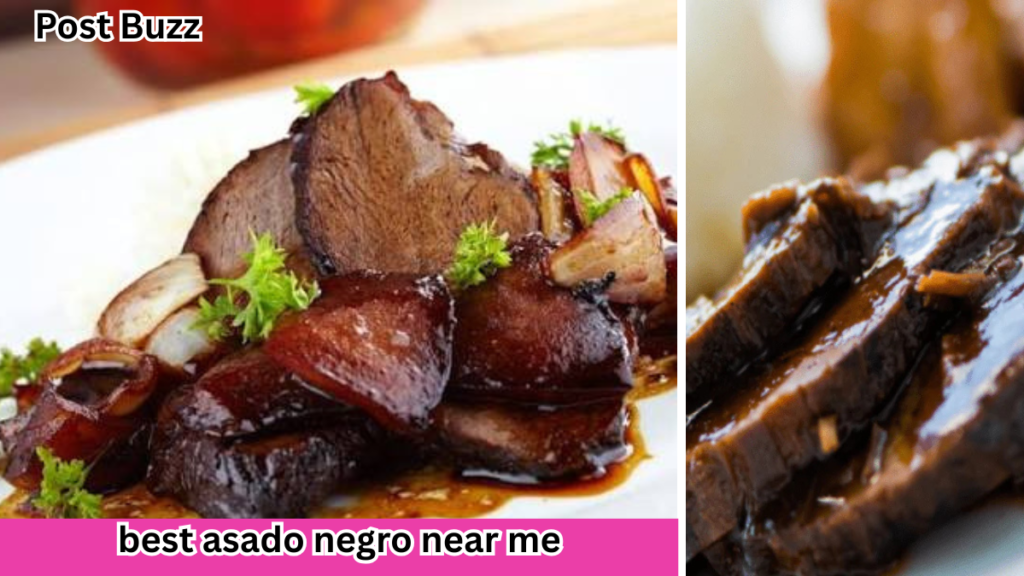

If you have ever typed “best asado negro near me” into your phone at nine in the evening with your stomach growling, you already know this dish is not just another beef entrée. Asado negro is a Venezuelan comfort food built on patience, deep caramelized flavor, and a sauce so rich it practically demands a side of white rice just to soak it all up. The name literally translates to “black roast,” and that dark, glossy color comes from a slow-cooked reduction of sugar, beef stock, and seasoned drippings that turns an ordinary cut of beef into something unforgettable.
What makes the search for the best asado negro near me tricky is that not every restaurant gets the balance right. Some versions lean too sweet, some skip the slow braise and rush the sauce, and some forget the little touches, like a splash of vinegar or a hint of Worcestershire, that give the dish its signature depth. When you finally find a place that nails it, you will know immediately, because the beef practically falls apart under your fork and the sauce clings to every grain of rice like it was made for that exact purpose.
What Exactly Is Asado Negro
Asado negro is a traditional Venezuelan pot roast, but calling it “just a pot roast” undersells it by a wide margin. The dish typically starts with a large cut of beef, often eye round or a similar lean roast, that gets seared until the outside develops a deep brown crust. From there, the magic really begins. Sugar is caramelized in the same pot until it turns almost black, and that bitter-sweet base becomes the foundation for the braising liquid.
The beef then simmers for hours in a mixture of beef stock, onions, garlic, bell peppers, and a splash of something acidic, sometimes vinegar, sometimes wine, depending on the cook’s family recipe. This low and slow process is what separates a mediocre plate from a truly memorable one. The connective tissue breaks down, the flavors meld together, and the sauce thickens into something glossy and almost syrupy. Anyone searching for the best asado negro near me is really searching for a kitchen that respects this process and does not try to shortcut it with quick simmering or bottled sauces.
Why People Keep Searching for the Best Asado Negro Near Me
There is something deeply nostalgic about this dish for a lot of people, especially those with Venezuelan roots or family ties to South American cuisine. Asado negro often shows up at Sunday family dinners, holiday tables, and celebratory meals, so tracking down a great version outside the home kitchen can feel like chasing a memory rather than just ordering food. That emotional connection is part of why the search for the best asado negro near me tends to be so specific and so personal.
Beyond nostalgia, there is also the simple fact that this dish is genuinely delicious and somewhat hard to find outside Venezuelan or broader Latin American restaurants. It is not on every corner menu the way arepas or empanadas might be, so when someone craves it, they usually need to hunt a little. This scarcity actually raises the stakes for restaurants that do serve it well, because word of mouth spreads fast in communities that care about getting the recipe right.
How to Judge Quality When Hunting for the Best Asado Negro Near Me
Not all asado negro is created equal, and knowing what separates a great plate from an average one will save you from disappointment. The color of the sauce is your first clue. It should be a deep mahogany or near-black shade, glossy rather than dull, and thick enough to coat a spoon without running off immediately. If the sauce looks pale brown or watery, the kitchen likely skipped the proper caramelization step.
Texture matters just as much as color. The beef should be tender enough to pull apart with a fork, almost falling into strands, rather than requiring a knife to fight through it. A rushed asado negro often tastes fine on the surface but feels tough or stringy, a dead giveaway that it was not braised long enough. Flavor balance is the final test, since the dish should taste rich and slightly sweet with a savory backbone, never cloying or one-dimensional. When you finally locate a restaurant that checks all three boxes, you have found more than just a meal near you; you have found a kitchen that understands tradition.
Common Sides and Pairings That Elevate the Experience
Asado negro rarely travels alone on a plate, and the sides chosen alongside it can make or break the overall experience. White rice is the most traditional pairing because its neutral flavor lets the sauce shine without competing for attention. Fried sweet plantains, known as tajadas, are another classic addition, offering a caramelized sweetness that mirrors the dish’s own sugar-based sauce in a way that feels intentional rather than repetitive.
Black beans, often referred to as caraotas negras in Venezuelan kitchens, frequently round out the plate as well, adding an earthy contrast to the richness of the beef. Some restaurants also serve a simple avocado salad on the side, which cuts through the heaviness with a cool, creamy freshness. When you are evaluating the best asado negro near me, pay attention to whether the sides feel like an afterthought or whether they were clearly chosen to complement the main dish. Thoughtful pairing is often a sign of a kitchen that cares about the full dining experience, not just the centerpiece.
A Quick Comparison Table for Evaluating Local Options
Since so much of finding great asado negro comes down to small details, it helps to have a checklist in mind before you commit to a restaurant. The table below breaks down the qualities worth comparing across different spots you might consider.
| Quality to Check | What a Great Version Looks Like | Warning Sign |
|---|---|---|
| Sauce Color | Deep mahogany to near-black, glossy | Pale brown, watery, or dull |
| Beef Texture | Tender, pulls apart easily with a fork | Tough, stringy, requires a knife |
| Flavor Balance | Rich, slightly sweet, savory backbone | Overly sweet or bland |
| Side Dishes | Rice, tajadas, black beans, avocado | Generic sides with no connection to the dish |
| Cooking Method | Slow braised for hours | Quick sear with sauce added at the end |
Using a simple framework like this makes the search far less overwhelming. Instead of relying purely on star ratings, which can be inconsistent across review platforms, you get a concrete set of markers that actually reflect culinary quality.
What Locals and Chefs Say About the Dish
Talking to people who grew up eating this dish at home often reveals just how personal the standards are. One home cook from Caracas once put it simply: “You can tell in the first bite if someone rushed the sauce, because the sweetness hits you wrong instead of blending in.” That kind of instinct, built over years of family cooking, is exactly what separates casual fans from true connoisseurs of the dish.
Restaurant chefs who specialize in Venezuelan cuisine tend to echo similar sentiments, emphasizing patience above all else. As one chef explained during an interview about traditional cooking techniques, “Asado negro isn’t a dish you can rush. The sugar has to burn just enough, and the meat needs time to surrender.” Comments like these reinforce why the search for the best asado negro near me is really a search for craftsmanship, not just convenience.
How Regional Variations Affect What You Find Nearby
Depending on where you live, the asado negro you find might lean slightly different from the traditional Venezuelan version, and that is not necessarily a bad thing. Some Latin American restaurants blend techniques from neighboring cuisines, incorporating a bit more citrus or a different spice profile based on regional preferences. Others stay strictly traditional, following recipes passed down through generations without any modern twist.
This variation means that your idea of the best asado negro near me might differ significantly from someone else’s in another city or even another neighborhood. It is worth trying a few different spots if your area has more than one option, since comparing versions side by side often helps clarify what flavor profile you personally prefer. Some diners gravitate toward a sweeter, more caramelized version, while others prefer a version with a sharper vinegar kick that cuts through the richness more aggressively.
Tips for Finding Authentic Venezuelan Restaurants Nearby
Beyond just searching online, there are a few practical strategies that tend to lead to better results when hunting down authentic asado negro. Checking for restaurants that specialize specifically in Venezuelan or Latin American cuisine, rather than generic international menus, usually increases your odds significantly. A restaurant that lists asado negro alongside other traditional dishes like pabellón criollo or hallacas is far more likely to treat the recipe with the respect it deserves.
Reading detailed reviews rather than just star ratings also helps a great deal, since a five-star rating does not always confirm authenticity. Look for reviews that specifically mention the texture of the beef, the depth of the sauce, or comparisons to home cooking, as these details tend to come from diners who genuinely know the dish. Asking within local Venezuelan or Latin American community groups, whether online or in person, can also point you toward hidden gems that might not show up prominently in generic search results.
Why This Dish Deserves the Extra Effort to Find
Some dishes are worth ordering casually, and some dishes are worth actively hunting down, and asado negro firmly belongs in the second category. The layers of flavor built through hours of slow cooking cannot be replicated quickly, which means every truly great plate represents real time and effort from the kitchen preparing it. That kind of dedication is increasingly rare in a food culture that often prioritizes speed over depth.
There is also something genuinely rewarding about supporting restaurants that keep traditional recipes alive rather than diluting them for mass appeal. When you finally find the best asado negro near me for your own taste, you are not just satisfying a craving, you are also supporting a small piece of culinary heritage that deserves to be preserved and celebrated. That combination of flavor and cultural value is part of what makes the hunt so satisfying once it pays off.
Bringing It All Together
Finding the best asado negro near me is rarely about the first result that pops up on a map search. It is about understanding what genuine quality looks like, comparing a few different options, and paying attention to details like sauce color, meat texture, and thoughtful side pairings. Once you know what to look for, the search becomes far less frustrating and much more like a fun culinary adventure.
Whether you end up at a long-established family restaurant or a newer spot run by a chef passionate about Venezuelan tradition, the goal remains the same: a plate of tender beef bathed in a rich, glossy, slightly sweet sauce that tastes like it was made with real care. Trust your instincts, use the comparison points outlined above, and do not settle for a version that feels rushed or one-dimensional. The right plate is out there, and it is worth the search.
Frequently Asked Questions
What does asado negro taste like?
Asado negro has a rich, savory flavor with a subtle sweetness that comes from the caramelized sugar used in the sauce. The beef itself tastes deeply seasoned after hours of slow braising, while the sauce adds a glossy, slightly bitter-sweet contrast that ties the whole dish together. It is comforting without being overly heavy, which is part of why so many people fall in love with it after just one bite.
Is asado negro spicy?
No, asado negro is not typically spicy at all, since the flavor profile focuses on sweetness balanced with savory depth rather than heat. Some regional variations might include a mild kick from black pepper or a touch of chili, but traditional versions stay firmly on the sweet and savory side. If you are sensitive to spice, this dish is generally a safe and comforting choice.
What is the best cut of beef for asado negro?
Eye round roast is the most commonly used cut for asado negro because it holds up well during long, slow braising without falling apart too early. Other lean cuts like bottom round can also work, as long as the cooking time is long enough to break down the connective tissue. The key is choosing a cut that benefits from slow cooking, since tougher cuts actually produce a more tender final result than naturally soft ones.
How can I tell if a restaurant makes authentic asado negro?
Authenticity usually shows up in small details, including a deep, glossy sauce color, beef that pulls apart easily, and thoughtful side dishes like rice, plantains, or black beans. Restaurants that specialize in Venezuelan cuisine and list other traditional dishes on their menu are generally more likely to treat asado negro with the care it deserves. Reading reviews that specifically mention texture and flavor balance can also help confirm authenticity before you order.
Why is it so hard to find the best asado negro near me?
Asado negro is a labor-intensive dish that requires hours of slow cooking, which means not every restaurant is willing or equipped to prepare it properly. It is also less commonly found outside Venezuelan or broader Latin American restaurants, making it a bit more niche compared to dishes like arepas or empanadas. This combination of preparation time and limited availability is exactly why the search for a great local version often takes a little extra effort.
Can asado negro be made ahead of time?
Yes, and in fact many cooks believe asado negro tastes even better the next day once the flavors have had extra time to settle into the meat. Restaurants that prepare it in advance and reheat it gently often serve an even more flavorful plate than one made fresh the same day. This is one reason some of the best versions come from kitchens that treat the dish as a slow, planned process rather than a same-day order.
You may also read Best Api Con Pastel Near Me: Your Complete Guide to Finding the Perfect Sweet Spot


Pingback: Best Ensaimada Near Me: Your Complete Guide to Finding the Perfect Pastry