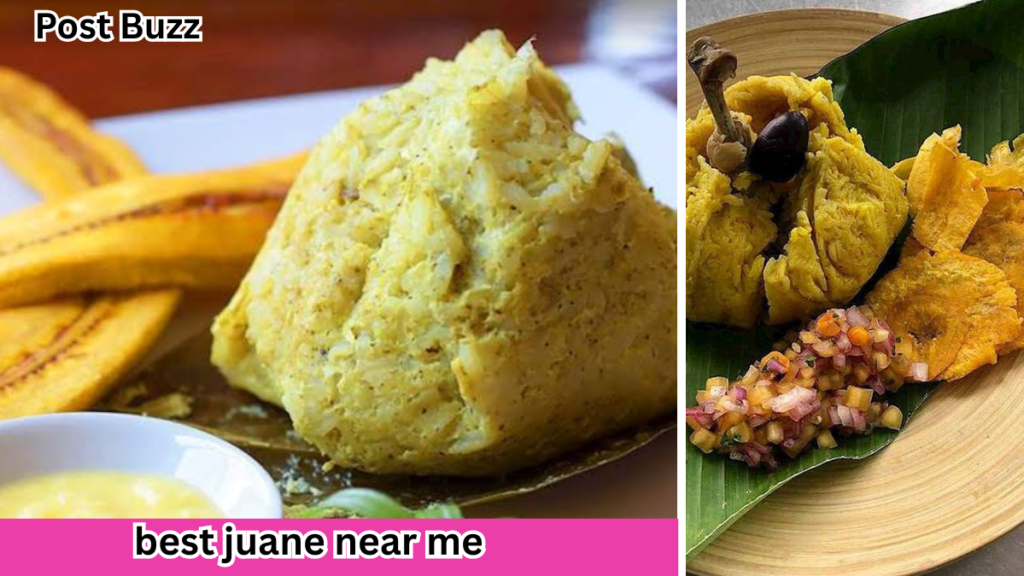

If you have ever wandered through a Peruvian market or attended a family gathering in Iquitos, chances are you have come across juane. This traditional dish, wrapped in bijao leaves and packed with rice, chicken, olives, and spices, is one of the most beloved comfort foods from the Peruvian Amazon. For anyone searching for the best juane near me, the journey is not just about satisfying hunger but about experiencing a piece of culinary history that has been passed down for generations.
Juane is often compared to tamales because of its wrapped presentation, but the flavor profile and preparation method are entirely unique. The dish combines seasoned rice with shredded chicken, hard-boiled eggs, olives, and a blend of Amazonian herbs like sacha culantro, all carefully wrapped in bijao leaves and steamed to perfection. The result is a moist, fragrant, and deeply satisfying meal that captures the essence of Peruvian jungle cuisine. When people search for the best juane near me, they are usually looking for that authentic experience that only a skilled cook or family-run restaurant can deliver.
What Makes Juane So Special
The magic of juane lies in its balance of textures and flavors. The rice absorbs the aromatic broth from the chicken and herbs during the steaming process, creating a dish that feels hearty yet light at the same time. Every bite offers a slightly different combination of ingredients, since the olives, eggs, and chicken pieces are distributed unevenly throughout the wrap, giving each mouthful its own personality.
Another reason juane holds such a special place in Peruvian cuisine is its connection to the San Juan festival, celebrated annually in the Amazon region. During this celebration, families prepare large batches of juane to share with neighbors and travelers, making it a symbol of community and hospitality. As one longtime Amazonian cook once said, “Juane is not just food, it is a memory wrapped in a leaf.” This sentiment explains why so many people are willing to travel across town just to find the best juane near me rather than settling for a mediocre version.
How to Identify Authentic Juane Preparation
Not all juane is created equal, and knowing the difference between an authentic preparation and a shortcut version can make a huge difference in your dining experience. Authentic juane uses bijao leaves, which impart a subtle earthy aroma to the rice during steaming. Some less traditional versions substitute banana leaves or even foil, which changes the flavor profile significantly and often results in a less fragrant final product.
The rice itself should be well-seasoned with turmeric or achiote, giving it that signature golden-yellow color rather than a plain white appearance. If you are trying to determine the best juane near me, pay attention to the color and aroma of the dish when it arrives at your table. A properly made juane will smell slightly smoky and herbal, thanks to the steaming process, and the rice should hold together without being mushy or overly dry.
Where Locals Search for Quality Juane
Peruvian communities, especially those with strong ties to the Amazon region, often know exactly where to go for a satisfying plate. Family-owned restaurants, weekend markets, and even home cooks who sell through social media are common sources for this dish. If you are new to an area and searching for the best juane near me, it helps to ask within local Peruvian or Latin American community groups, since word-of-mouth recommendations tend to be far more reliable than generic online reviews.
Many cities with a significant Peruvian population have developed small culinary hubs where multiple vendors offer juane alongside other Amazonian specialties like tacacho or inchicapi. These areas often become gathering spots during weekends, especially around cultural festivals. Exploring these neighborhoods can be one of the most effective ways to discover authentic options, and locals are usually happy to point newcomers toward their favorite spots when asked directly.
Comparing Juane Preparation Styles
| Style | Main Ingredients | Wrapping Leaf | Flavor Profile |
|---|---|---|---|
| Traditional Amazonian | Rice, chicken, olives, eggs, achiote | Bijao leaf | Earthy, aromatic, slightly smoky |
| Urban Adaptation | Rice, chicken, minimal spices | Banana leaf | Milder, less herbal |
| Modern Fusion | Rice, chicken or pork, added vegetables | Foil or parchment | Convenient but less traditional |
| Homestyle Family Recipe | Rice, chicken, boiled egg, sacha culantro | Bijao leaf | Rich, personalized, often spicier |
This table highlights how preparation methods can vary depending on the region and the cook’s personal touch. Understanding these differences can help you set realistic expectations when trying a new place, especially if you are comparing multiple options while searching for the best juane near me in your area.
The Role of Fresh Ingredients in Quality Juane
Ingredient quality plays a massive role in determining whether a juane turns out exceptional or forgettable. Fresh chicken, properly seasoned rice, and real bijao leaves are non-negotiable for anyone serious about authenticity. Restaurants that cut corners by using frozen chicken or reused broth often produce a version that lacks the depth of flavor found in traditional preparations.
Herbs like sacha culantro, which has a distinct citrusy and slightly peppery taste, are essential for achieving that authentic Amazonian flavor. Without these specific herbs, the dish can taste flat or overly generic. When evaluating the best juane near me, take a moment to consider whether the vendor sources their ingredients locally or imports specialty items directly from Peru, since this often correlates with a more authentic final product.
Tips for Enjoying Juane Like a Local
Eating juane properly is part of the experience. Locals typically unwrap the leaf carefully at the table, allowing the steam and aroma to escape before digging in with a fork. Pairing it with a side of Peruvian salsa criolla, made from thinly sliced onions and lime juice, adds a refreshing contrast to the richness of the rice and chicken filling.
Some people enjoy juane alongside a cold glass of chicha morada, a purple corn beverage that balances the savory notes of the dish with a touch of sweetness. If you are exploring different restaurants while searching for the best juane near me, consider asking the staff about traditional pairings, since many establishments take pride in recommending complementary dishes and drinks that enhance the overall meal.
Why Community Recommendations Matter More Than Reviews
Online reviews can be helpful, but they often fail to capture the nuances that matter most to people seeking authentic Peruvian cuisine. A dish that receives glowing reviews for presentation might completely miss the mark on traditional flavor, while a modest-looking stall might serve the most authentic version in town. This is why relying solely on star ratings when searching for the best juane near me can sometimes lead to disappointment.
Instead, consider reaching out to local Peruvian cultural associations or attending community events where food vendors gather. These environments tend to attract cooks who take pride in preserving traditional recipes rather than adapting them purely for commercial appeal. As one Peruvian food blogger put it, “The best dishes are rarely the ones with the most reviews, but the ones everyone in the neighborhood already knows about.”
Seasonal Availability and Festival Connections
Juane is deeply tied to the San Juan festival, celebrated every June in the Peruvian Amazon, which means availability can fluctuate depending on the time of year. During this period, demand increases significantly, and many vendors prepare special batches specifically for the celebration. If you happen to be searching for the best juane near me during this season, you may find pop-up stalls or limited-time offerings that are not available throughout the rest of the year.
Outside of the festival season, juane remains a staple in many Peruvian restaurants, though the variety and freshness might differ slightly. Some establishments prepare it fresh daily, while others make it in batches to sell throughout the week. Understanding this seasonal rhythm can help set realistic expectations, especially if you are hoping to try a freshly made version rather than one that has been sitting for several days.
Supporting Local Peruvian Businesses
Choosing to support small, family-run establishments rather than large chain restaurants often results in a more authentic and satisfying juane experience. These smaller businesses tend to prioritize traditional recipes passed down through generations, and the owners are usually more than willing to share stories about their culinary heritage if asked. This personal connection often translates into a more thoughtful and carefully prepared dish.
Additionally, supporting these businesses helps preserve traditional Peruvian culinary practices that might otherwise be lost to mass-market adaptations. When searching for the best juane near me, consider prioritizing establishments that have been operating for several years within the community, as longevity often indicates consistent quality and a loyal customer base that values authenticity over convenience.
Conclusion
Finding the best juane near me is about more than simply satisfying a craving. It is about seeking out authenticity, supporting local culinary traditions, and experiencing a dish that carries deep cultural significance for Peruvian communities. From the aromatic bijao leaves to the perfectly seasoned rice and tender chicken, every element of a well-made juane tells a story of heritage and craftsmanship. By paying attention to ingredient quality, seeking community recommendations, and understanding the seasonal nuances of this dish, you can significantly improve your chances of discovering a truly memorable meal. Whether you are a longtime fan of Peruvian cuisine or trying juane for the first time, taking the time to find an authentic version will always be worth the effort.
Frequently Asked Questions
What exactly is juane made of?
Juane is traditionally made with seasoned rice, shredded chicken, hard-boiled eggs, and olives, all wrapped in bijao leaves and steamed until fully cooked. The rice is typically colored and flavored with achiote or turmeric, giving it a distinctive golden hue, while herbs like sacha culantro add an aromatic depth that sets it apart from similar wrapped dishes found in other cuisines.
How can I tell if a restaurant serves an authentic version?
Authentic juane usually has a noticeable aroma from the bijao leaves and a rich, well-seasoned rice base rather than a plain or bland flavor. If you are trying to determine the best juane near me, look for restaurants that use traditional wrapping leaves rather than substitutes like foil, since this often indicates a more genuine preparation method rooted in traditional cooking techniques.
Is juane typically spicy?
Juane itself is not inherently spicy, though it can be paired with spicy salsas or condiments depending on personal preference. The dish focuses more on savory and aromatic flavors rather than heat, making it approachable for people who may not enjoy overly spicy foods but still want a flavorful and satisfying meal.
What is the best way to store leftover juane?
Leftover juane should be refrigerated while still wrapped in its leaf, which helps retain moisture and flavor for a longer period. When reheating, steaming again briefly is preferable to microwaving, as it helps preserve the texture of the rice and prevents the dish from becoming overly dry or rubbery.
Can I find juane outside of Peru?
Yes, many cities with significant Peruvian communities offer juane through local restaurants, markets, or home cooks. If you are searching for the best juane near me outside of Peru, exploring Latin American neighborhoods or reaching out to Peruvian cultural groups can often lead you to authentic options that closely resemble what you would find in the Amazon region itself.
Why do some versions of juane taste different from others?
Variations in taste often come down to ingredient sourcing, seasoning techniques, and regional preferences. Some cooks add extra herbs or use different proteins, while others stick closely to traditional recipes. This diversity is part of what makes exploring different vendors so rewarding when you are on the hunt for the best juane near me in your local area.
You may also read: Best Empanada de Jamón y Queso Near Me